About us
The Student Pathways Subcommittee (SPS) is a proud extension of the AACN Relevance 2050 Initiative, dedicated to increasing diversity and representation within the field of neuropsychology. Our mission is to actively support the recruitment and retention of trainees (undergraduate, post-baccalaureate, and graduate students, pre-doctoral interns, and post-doctoral fellows) from historically underrepresented backgrounds* by providing accessible resources, guidance, and mentorship opportunities.
Through targeted outreach, programming, and community-building efforts, SPS strives to create a more inclusive path into neuropsychology by empowering future clinicians and researchers to bring diverse perspectives and experiences to the field.
* Historically underrepresented backgrounds may include, but are not limited to, individuals from varying races, ethnicities, gender identities, sexual orientations, ages/generations, social/economic classes, disabilities, religious or ethical value systems, and national origins.
Examples of Current Initiatives
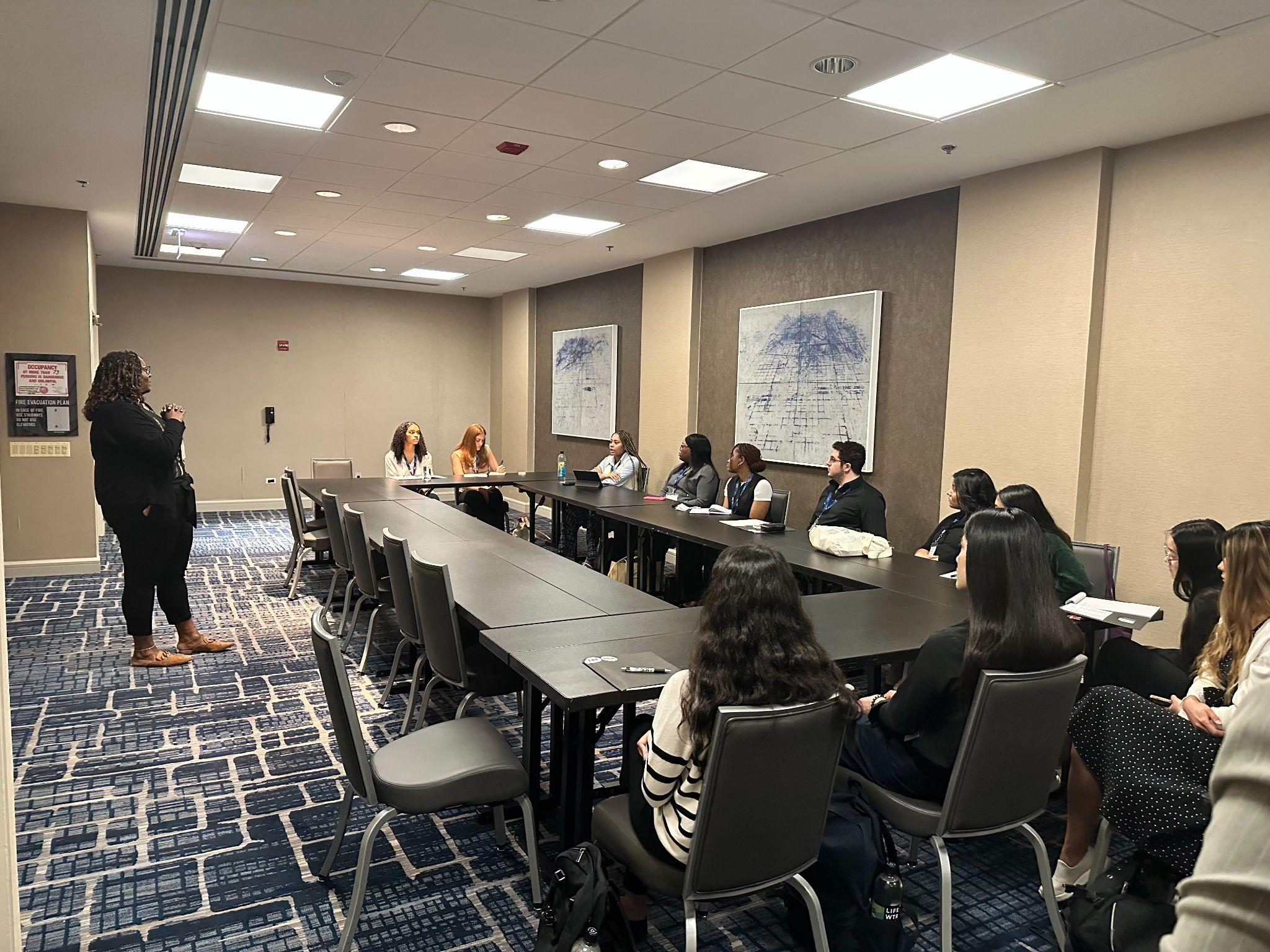
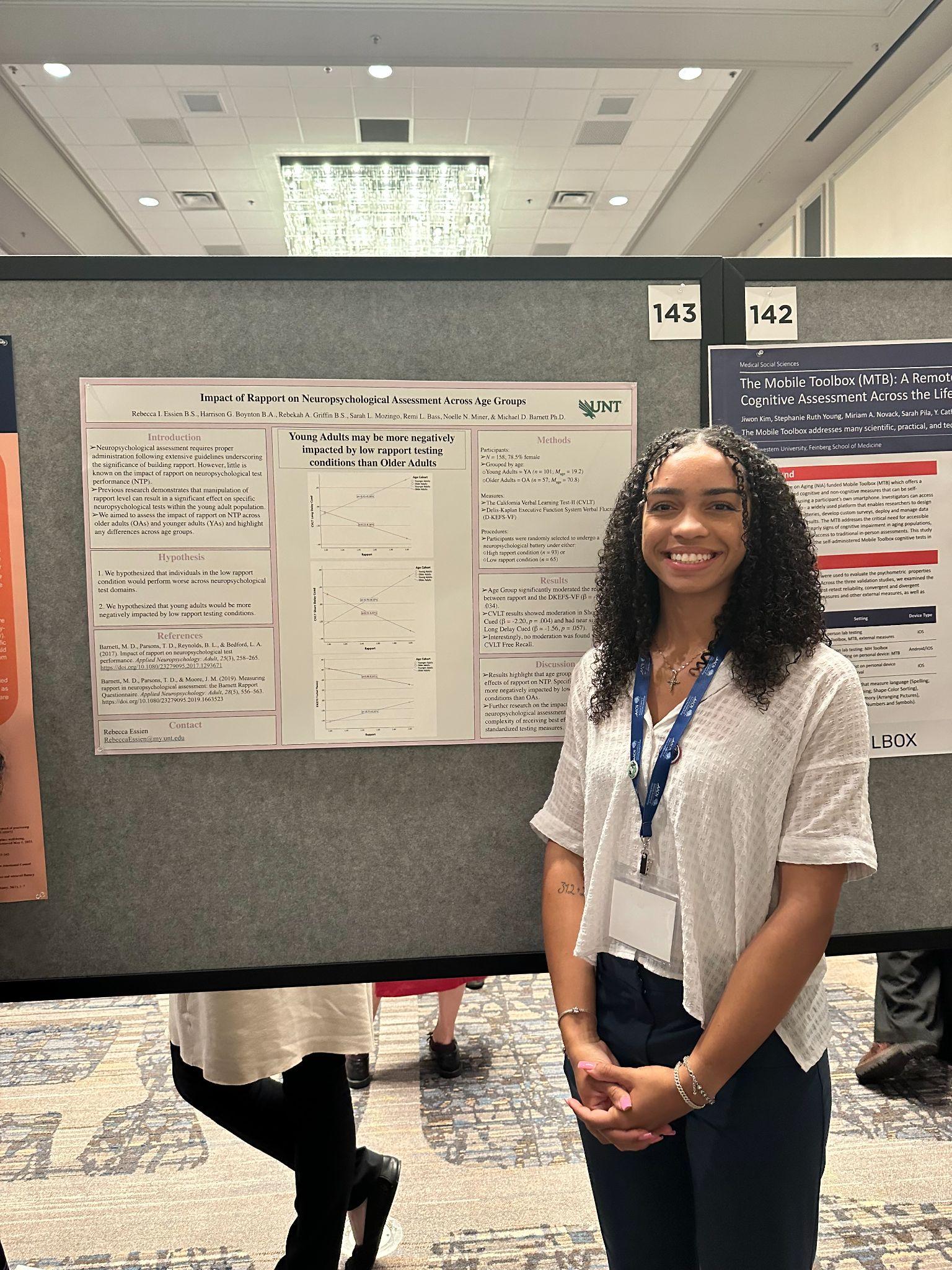
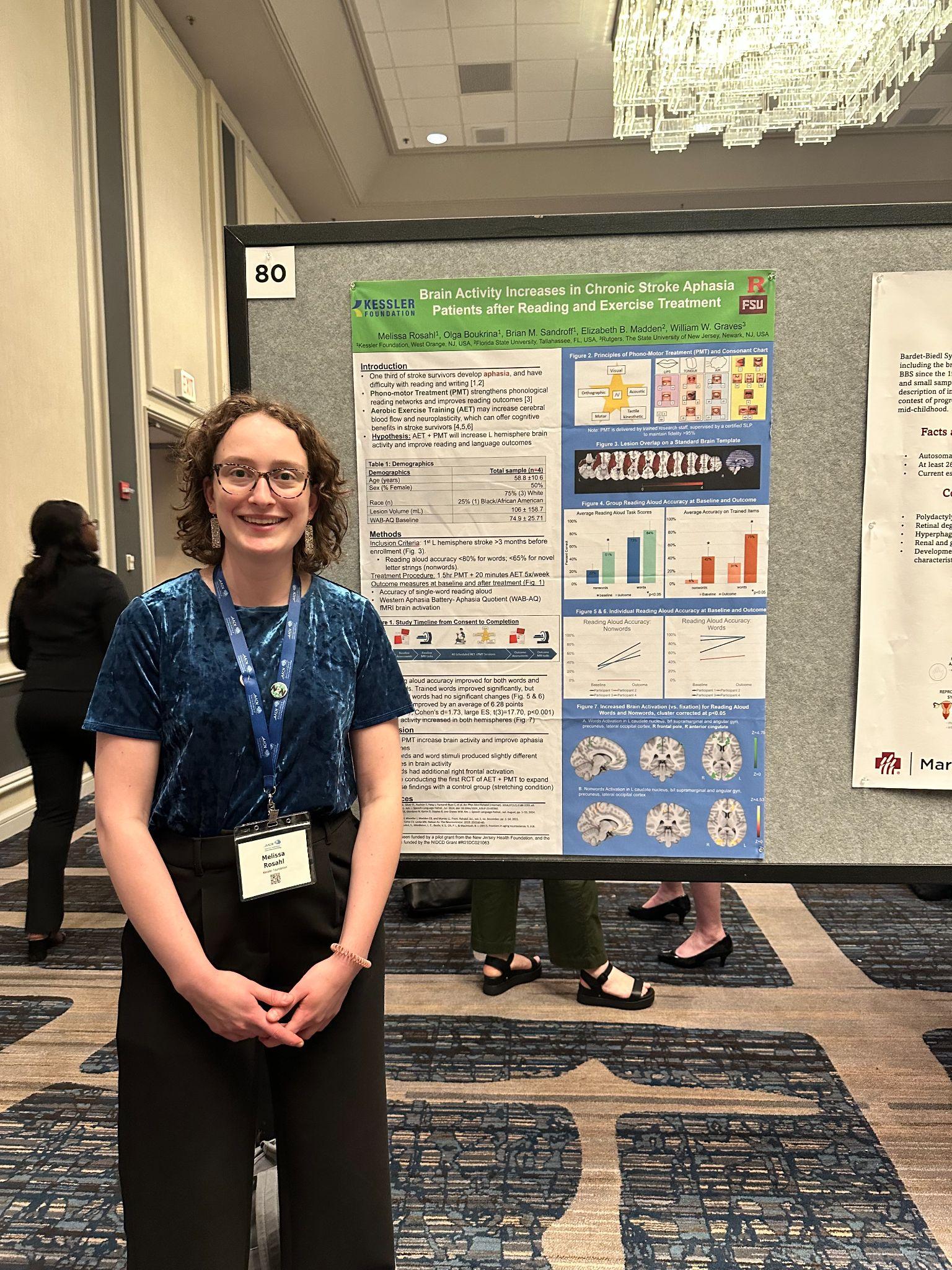
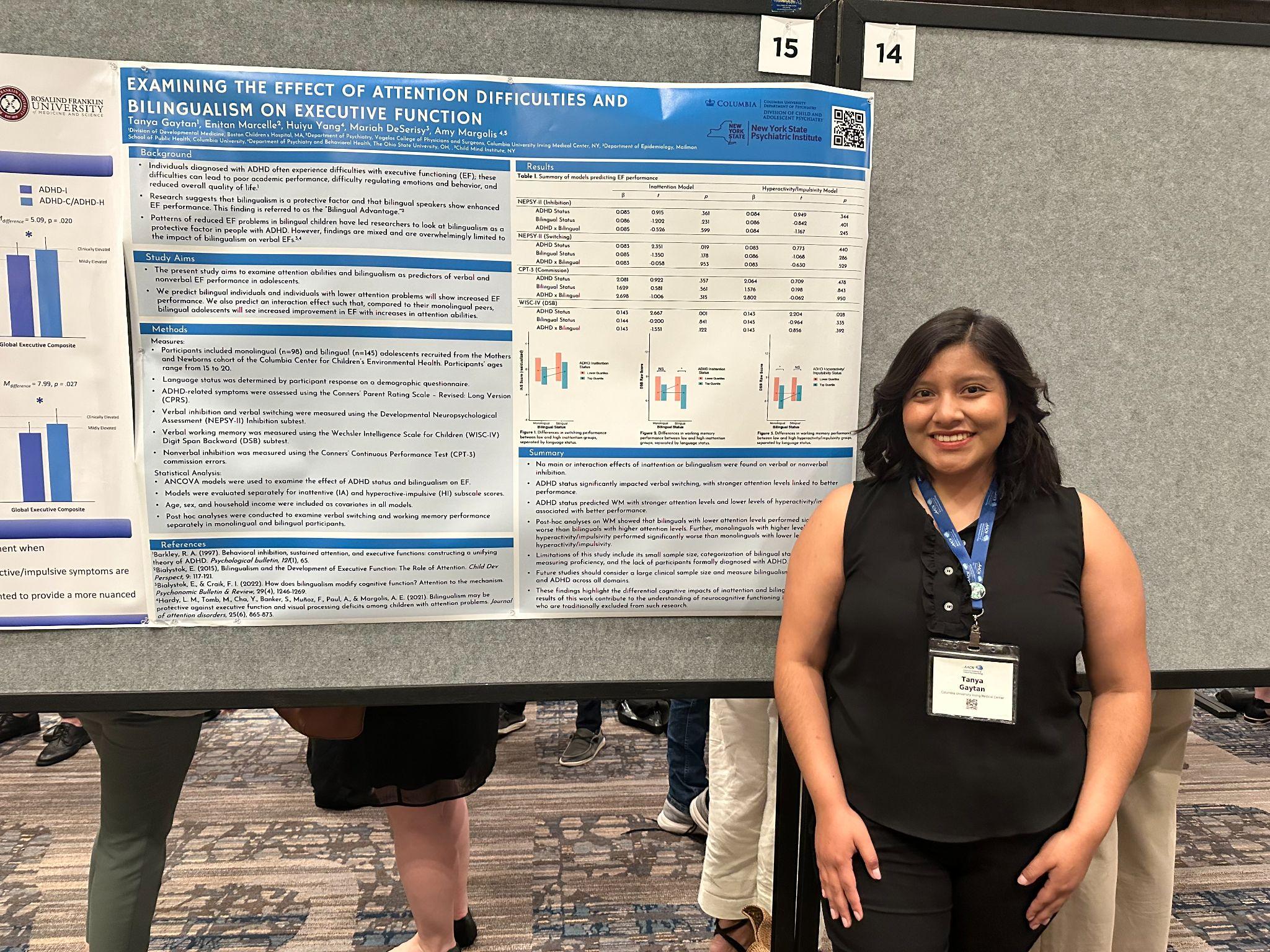
This initiative supports undergraduate students and post-baccalaureates from historically underrepresented backgrounds who are interested in exploring the field of neuropsychology. Recipients of the AACN Conference Travel Award receive one year of AACN student membership, registration for the AACN Annual Meeting, up to three nights of lodging, and a stipend to help cover travel and meals. Awardees attend conference sessions and SPS/N2N events to learn more about the field of neuropsychology and are paired with trainees or professionals who serve as mentors throughout the conference.
Graduate School Application Scholarship (GSAS)
This initiative strives to provide financial support for individuals applying for doctoral programs in clinical psychology with the intention to pursue a career in neuropsychology. The scholarships are intended for individuals from underrepresented backgrounds, broadly defined.
Webinars
This initiative puts together various webinars pertaining to neuropsychology training. Example webinars include board certification, non-traditional paths during graduate school, and guidance on equitable evaluation of applications.