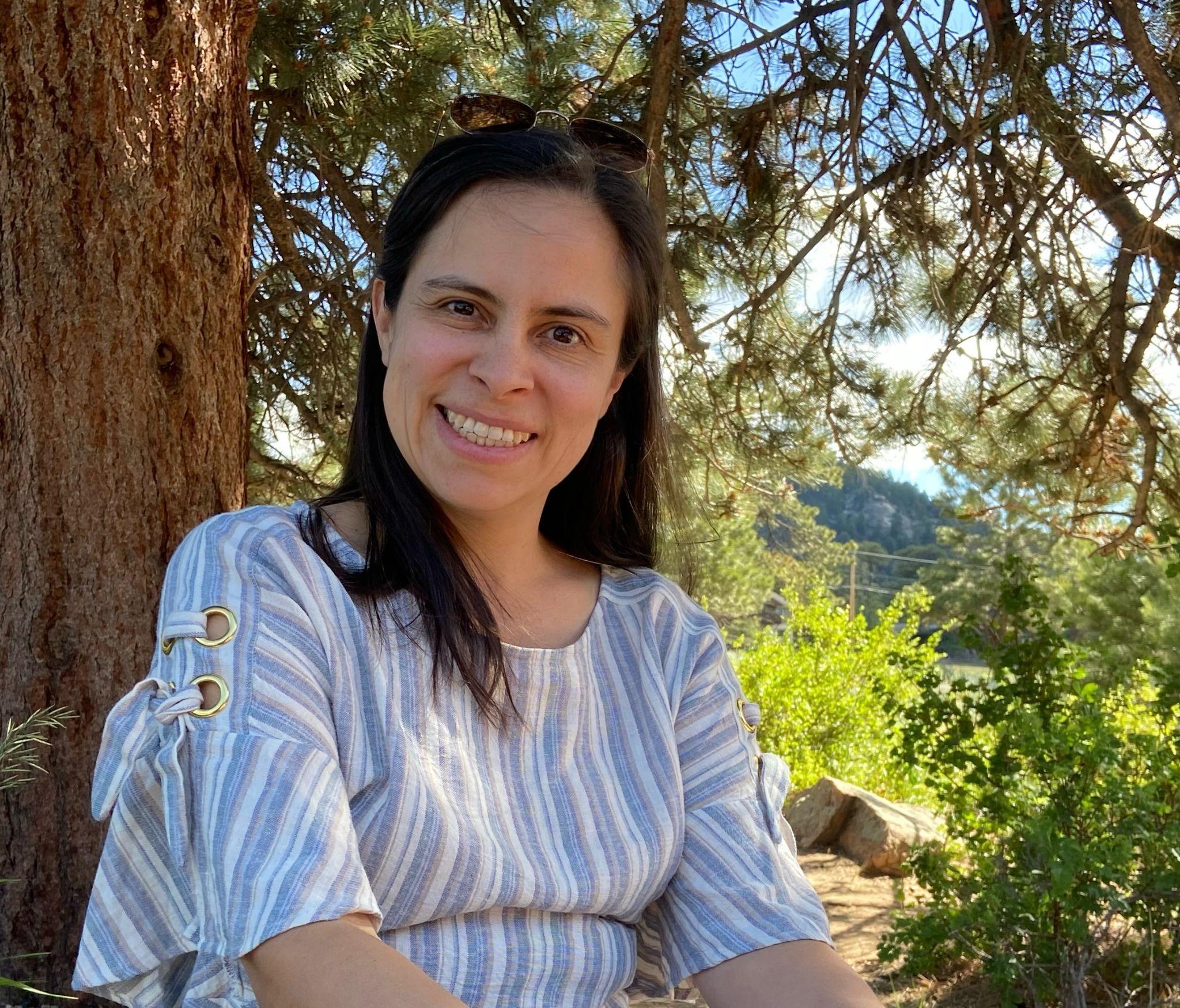
Jenny Peraza, PsyD, ABPP
Current: I am a board-certified clinical neuropsychologist and the Training Director for the psychology internship at Denver Health Medical Center. Additionally I am the Director of Advanced Practice Provider-Mental Health Clinicians in the Denver Health Outpatient Behavioral Health Serves and Assistant Professor in the Department of Psychiatry at the University of Colorado School of Medicine.
Pathway to Neuropsychology:
My path to neuropsychology was not a direct one. I completed a bachelor’s degree in psychology with honors at Scripps College and was engaged in social psychology research. Though I knew I wanted to pursue a career engaged in clinical work, I had few clinical psychology or neuropsychology mentors. So I completed a Masters in Counseling at Pacific University and then a doctoral degree in clinical psychology at Pacific University. By a stroke of luck, I found neuropsychology early in my doctoral training and joined the neuropsychology track. Then, I completed internship at the Central Arkansas VA Health Care System on the neuropsychology track and a formal two-year postdoctoral fellowship in neuropsychology at the New Mexico VA Healthcare System.
Interests:
As a clinical neuropsychologist, I work with adult and geriatric populations from underserved communities in outpatient and inpatient settings. I have strong interests in education and mentorship, especially fostering professional development and promoting diversity in the field of neuropsychology.

Libby DesRuisseaux, MS
Current: I am currently a doctoral student at the University of Utah under the mentorship of Dr. Yana Suchy and an intern at the Minneapolis VA. I am also the Administrative Coordinator for New2Neuropsychology and involved in the AACN Student & Trainee Affairs Committee.
Pathway to Neuropsychology:
I am originally from a small, rural town in Maine. I went to Tufts University for undergrad (B.S. in Cognitive & Brain Sciences with premedical coursework). I experienced significant culture shock at Tufts, as adjusting to an urban environment (Boston) and a competitive academic culture was difficult. I originally wanted to go to medical school to become a neurologist, so I did basic neuroscience research (i.e., working with a LOT of mouse brains). However, I signed up for a neuropsychology elective my junior year and fell in love. I then pivoted career paths and decided to take two years to work as a clinical research coordinator at Massachusetts General Hospital to gain more experience that was relevant to neuropsychology before applying to grad school. I initially wanted to stay on the east coast for grad school so I could be close to family. However, one of my mentors convinced me to widen my geographic boundaries (“A plane ride is a plane ride is a plane ride”), and going to Utah was the best decision I ever made!
Interests:
My research largely focuses on improving methods of assessing cognitive and daily functioning in older adults, including exploring the utility of digital/computerized testing methods and intra-individual variability in cognitive performance. I am particularly interested in increasing access to healthcare for underserved populations and making the field of neuropsychology more accessible for students. In particular, I am hoping to make academia feel more welcoming to individuals from rural areas. I hope to someday work in an academic position after completing my neuropsychology training, potentially as a professor in a psychology department.
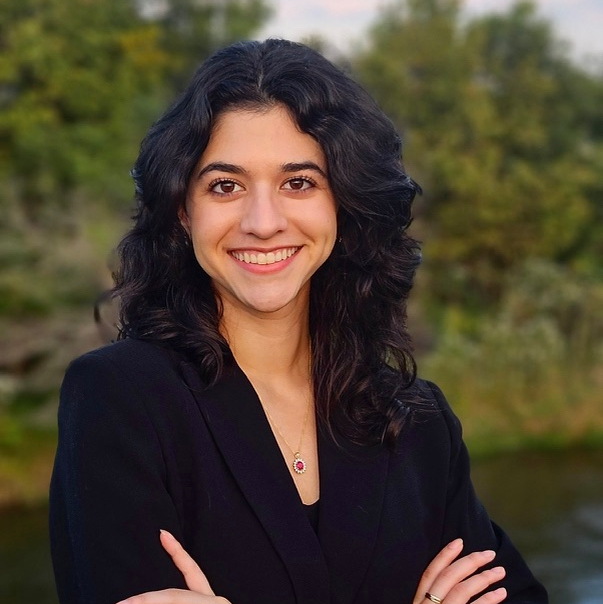
Caterina Obenauf, MA
Current: I am currently a PhD student at the University of Tennessee, Knoxville. I have been involved in the Student Pathways Subcommittee since April 2023, and I serve as the Student Representative to the AACN Board of Directors. I am also a trainee member of NAN’s Legislative Action & Advocacy Committee.
Pathway to Neuropsychology:
As a math major at Georgia Tech, I worked as a Spanish medical interpreter to help pay for school expenses. I especially enjoyed accompanying spinal cord injury patients to rehabilitation hospitals. I admired how psychologists used their expertise to advocate for patients, and I soon switched my major to psychology and decided to apply to graduate school. During my first semester, I had no idea what neuropsychology was until a faculty mentor encouraged me to apply for a psychology summer mentorship program with the National Multiple Sclerosis Society in Baltimore, MD. There, I shadowed neuropsychologists at the Baltimore VA who encouraged me to pursue my growing interests in neuropsychology! I felt empowered to establish several assessment and neuropsychology externships in Knoxville, and I even moved back to Atlanta for the latter part of my training to obtain more neuropsychology experiences. It has now been a few years since making this decision, and I cannot see myself being anything other than a clinical neuropsychologist!
Interests:
I have enjoyed working with medically complex individuals experiencing concerns with their cognitive functioning. I am also interested in providing culturally responsive services in both Spanish and English. I am especially interested in increasing access to neuropsychology training and services through advocacy from the individual level (e.g., through the work we do at the Student Pathways Subcommittee to help trainees) to the systemic level (e.g., through legislative advocacy). In my free time, I love being outdoors, gardening, bird-watching, and reading.
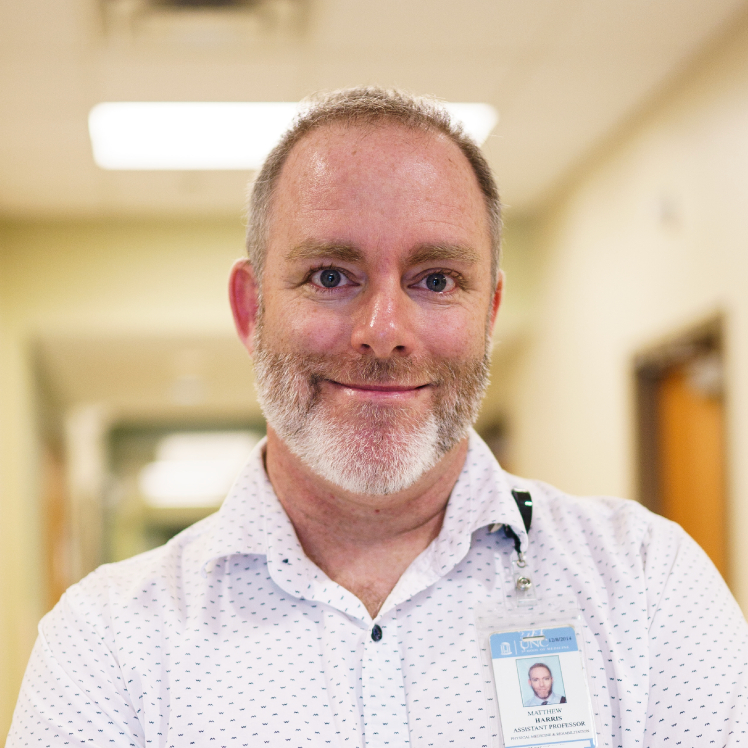
Matt Harris, PhD, ABPP
Current: I am a board-certified clinical neuropsychologist and assistant professor/co-director of neuropsychology at University of North Carolina Hospitals, in the Physical Medicine & Rehabilitation department.
Pathway to Neuropsychology:
I always knew I wanted to help people and was interested in psychology, but was not sure what I wanted to do more specifically until the third year of my Clinical Psychology PhD studies. Psychotherapy had not felt like the right fit for me, and I was drawn toward research and statistics but I knew I wanted to do something that more directly influenced patient’s lives. Then I took a neuropsychology course and everything came together! I had found my field. From there I became involved in multiple research roles related to neuropsychology, practica within neuropsychology, and launched into independent study to supplement this interest and “catch up.” I got an internship at Central Regional Hospital/UNC in a gero/neuropsychology track, did postdoc at UNC, and stayed here as faculty, and the rest is history!
Interests:
As a clinical neuropsychologist, I work with adult and geriatric populations, mainly doing outpatient assessments but also some inpatient work. I am involved in multiple different clinics, extensive supervising and coordinating of students, and research as well. I have strong interests in culturally appropriate assessment, neurologic populations (especially epilepsy surgery, Parkinson’s surgery, and dementia), and education/mentorship.

Taryn Gordon, MA, MS
Current: I am currently a clinical psychology doctoral student at George Fox University and an incoming intern at the Milwaukee VAMC on the Neuropsychology Track.
Pathway to Neuropsychology:
I always knew I wanted to work in healthcare, but landing in neuropsychology came later. I graduated from the University of Wisconsin-Madison with a Bachelor of Science in Psychology and Gender & Women’s Studies and got my first job in the field at an inpatient psychiatric facility. Believing I wanted to go into counseling, I soon started working toward my Master of Science in Professional Counseling at Concordia University. While working on this degree, I found a job as a psychometrist and instantly knew that neuropsychology was the field for me. Life circumstances landed me in Oregon, where I am currently completing my doctorate. Being in a program whose primary focus isn’t neuropsychology, I have had to be creative to find unique opportunities for training. These include practicum and research assistantships at Oregon Health and Science University, a summer scholar position with the Multicultural Alzheimer’s Prevention Program as Massachusetts General Hospital, and of course, becoming involved with SPS!
Interests:
My primary interests in the field of neuropsychology include aging and dementia, movement disorders, healthcare literacy, and equitable access to care for all. My future goals involve being part of an interdisciplinary healthcare team, hopefully engaging in research and teaching as well. Outside of neuropsychology, I enjoy making jewelry, foraging, and pretending I have a garden in video games until I one day can own my own little farm.
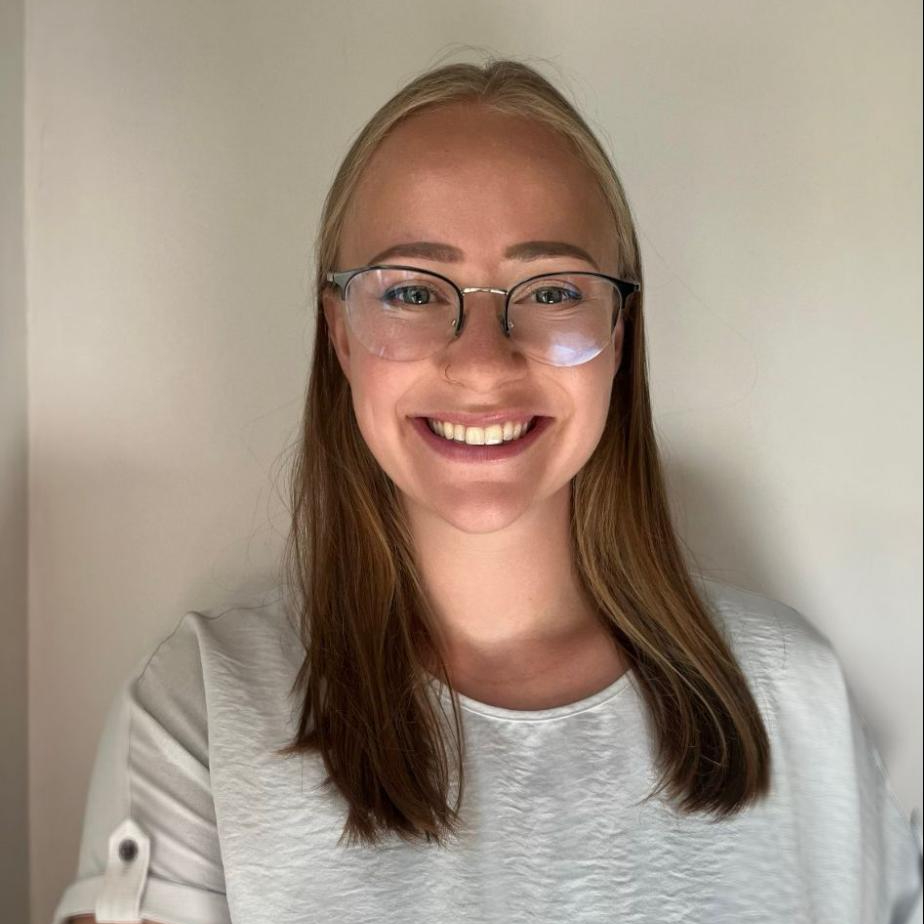
Allie Geiger, MS
Current: I am currently a clinical psychology Ph.D. student working with Dr. Yana Suchy at the University of Utah. I have been involved with the Student Pathways Subcommittee since May of 2025.
Pathway to Neuropsychology:
My journey began as a first-generation student at North Dakota State University (NDSU), just a few hours away from the town where I grew up. Initially, I had my sights set on pursuing a career in clinical psychology, which felt like a natural fit for me. But everything changed when I took my first neuroscience class. I’ll never forget the moment I realized, “I like this a lot more than I want to!” A change in career paths and interests was a little daunting. But looking back, that was a turning point for me. I found myself diving deeper into the world of neuroscience, searching for courses, research opportunities, and career paths that would allow me to combine my passion for understanding the brain with my interest in clinical psychology. That’s when I stumbled upon neuropsychology! From that point on, I took advantage of any and all opportunities that would help prepare me for graduate school and a career in neuropsychology, such as joining research labs, becoming a teaching assistant, and taking on extra-curricular duties!
Interests:
My research interests have greatly shifted throughout graduate school (and that’s okay!). I came into graduate school with an interest in electroencephalography (a tool to measure the brain’s electrical activity) and how it may be useful for early detection of neurodegenerative diseases. Coming from a neuroscience laboratory at NDSU, I thought that my research would always involve EEG, and that I would just adjust my research program around questions that EEG can answer. However, it did not take long for me to realize that I wanted my career to revolve around the other aspect of my interests, early detection of abnormal aging. Currently, I am interested in tools that allow us to measure cognition across several time points and across multiple days, with the hope that this can help us detect subtle cognitive declines in older adults. Although I enjoy research, I see myself implementing these tools in more of a clinical setting one day.
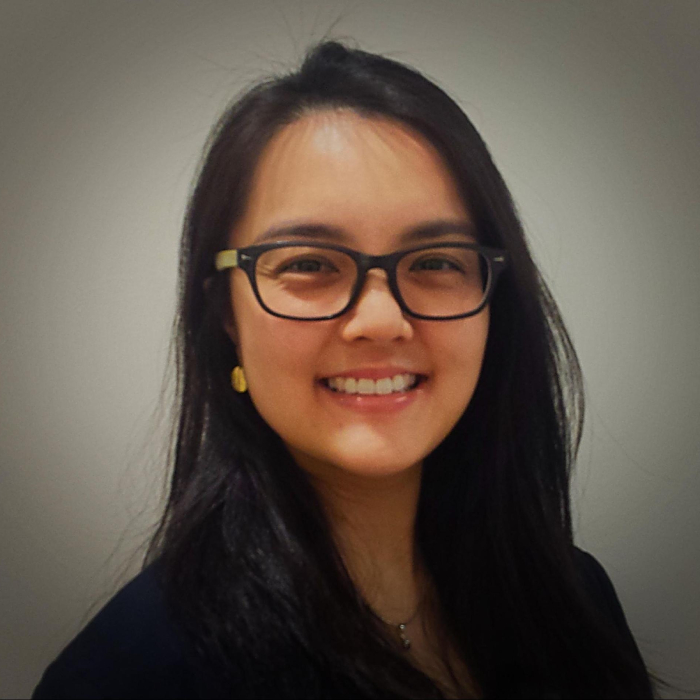
Julia Chen, PhD
Current: I am a pediatric neuropsychologist at the Center for Neuropsychological Services at Northwell Health in New York. I am also the Co-Chair of the Asian Neuropsychological Association Advocacy Committee.
Pathway to Neuropsychology:
I’ve always been interested in working with children and families, so my pathway to neuropsychology was mostly to pursue a career that would allow me to work in pediatrics. In college, as a Psychology major, I took a seminar in Neuroethics and the instructor was a clinical neuropsychologist. This was my first introduction to the field of neuropsychology and I was fascinated! I was excited about the opportunity to combine my interests in neuropsychology and pediatrics as a career. I applied to graduate school after college and was grateful to join the program at the University of Connecticut where I concentrated in neuropsychology and conducted research involving young children on the autism spectrum. I was very lucky to then have the opportunity to be trained at the Kennedy Krieger Institute for internship and Children’s Hospital of Philadelphia for fellowship before joining the team at Northwell. The pathway through pediatric neuropsychology training has certainly been a long one, and I hope I can support others interested in this career as well!
Interests:
My goal as a neuropsychologist is to continuously improve on making our work more accessible to patients and families. This includes reducing barriers that keep patients from getting to our offices in the first place, as well as improving accessibility of the language we use to discuss our work with patients (spoken and written). I am passionate about training and mentoring upcoming generations of neuropsychologists.

Jorie Peppers, MA
Current: I am currently a doctoral student at Alliant International University- San Diego, under the mentorship of Dr. Ronald Stolberg.
Pathway to Neuropsychology:
I am originally from Chicago, Illinois. I went to the University of Kentucky for undergrad (BA in Psychology and double minor in Philosophy and French). While in undergrad, I helped with some research on neurobehavioral mechanisms of learning, memory, and decision-making processes. However, I first learned about neuropsychology in my first year of graduate school and fell in love with assessment while taking an intellectual assessment course. After taking this course, I wanted to learn more about neuropsychology and decided to gain more experience. My journey to neuropsychology hasn’t been linear, but throughout my courses, practicum, and work experiences, I have remained motivated to become a clinical neuropsychologist.
Interests:
My research focuses on post-concussive syndrome, examining the etiology of concussion and performance validity measures utilized in adult neuropsychological evaluations. I am particularly interested in social determinants of health factors that impact ethnically diverse individuals’ treatment. I hope to work in a medical setting after completing my neuropsychology training. In the future, I aim to provide training opportunities for underrepresented students interested in becoming neuropsychologists. Outside of school, I love to go for long walks, travel, and go to the movies.
Leah Talbert, MS
Current: I am currently completing my doctoral internship at the VA San Diego/UCSD Psychology Internship Training Program and will be starting as a postdoctoral resident with the VA San Diego Neuropsychology Postdoctoral Residency Program. In addition to my clinical training, I am actively involved in national neuropsychology organizations focused on equity, access, and mentorship.
Pathway to Neuropsychology:
My path to neuropsychology was shaped by early experiences witnessing healthcare disparities in my community. Growing up in the South, I was surrounded by people who faced persistent barriers to quality medical and mental health care. I initially planned to become a physician and began my academic journey studying neuroscience and conducting lab-based research. Over time, I became more drawn to understanding how brain injury and psychological trauma affect people’s daily lives and functioning. After completing a master’s degree in psychology, I shifted my focus to clinical neuropsychology, where I found a way to bridge my scientific interests with a commitment to equity and service. That decision led me to pursue doctoral training with a focus on brain injury, cultural humility, and accessible models of care.
Interests:
My clinical and research interests center on traumatic brain injury, cognitive rehabilitation, and reducing disparities in access to neuropsychological care. I am particularly focused on identifying scalable, evidence-based interventions—such as heart rate variability biofeedback—that support recovery and resilience in under-resourced communities. My work aims to integrate neurophysiological, behavioral, and cultural factors to inform more inclusive approaches to assessment and intervention. Beyond clinical care, I am committed to mentorship, advocacy, and organizational leadership that promote equity and representation in neuropsychology. I hope to pursue a career in an academic medical setting that allows me to combine clinical work, research, and mentorship. Outside of work, I enjoy hiking, dancing, and spending time with friends and family.
Santiago Sanchez Cabarcas
Current: I am an undergraduate student at the University of Houston, studying to earn my Bachelor of Science in Psychology & Public Health. I am also involved in research, working as a Neuropsychology research assistant for both the UH Collaborative on Aging Research & Multicultural Assessment Lab and the UH Measurement and Intervention for Neuropsychological Disorders Lab.
Pathway to Neuropsychology:
I remember taking an AP Psychology class in high school which gave me a lot of insight into the different avenues of psychology. The topics that I enjoyed the most were those that connected the brain anatomy and life experiences to resulting outcomes/behaviors. My curiosity for a type of field that incorporates all of these elements led me to a simple Google search of “Neuroscience Psychology careers”. This yielded “Neuropsychology” as one of the options. I became excited, as previously I was having trouble with my career interests, and the discovery of this field resonated a lot with me. Taking this curiosity to college, I reached out to neuroscience/psychology-focused research labs to gain more experience. Starting freshman year, I received my first research assistant role in the UH Laboratory for the Neural Bases of Bilingualism. Research and collaborative projects are now a passion of mine and I continued towards more Neuropsychology-heavy labs in my next few years of college. Though it sounds like my journey has been only through individual effort, that is beyond the truth. Every step of the way, I have received mentorship and advice from current Neuropsychologists in the field (shout-out LinkedIn), doctoral students, and fellow classmates. The path of neuropsychology is a long one, but with dedication and genuine interest, it can be an enjoyable one.
Interests:
Though I am in the early learning stages, I have a strong interest in cognitive and daily functioning in individuals who are impacted by Alzheimer’s Disease and Related Dementias, Traumatic Brain Injuries, and Cerebrovascular Diseases (e.g., stroke). My long-term goal is to become a strong candidate for graduate programs in Neuropsychology, and go step by step from there on. Outside of the classroom, I enjoy staying active by going to the gym, playing soccer, and running in parks. I also like to unwind by hanging out with friends and family, reading, and playing the violin.
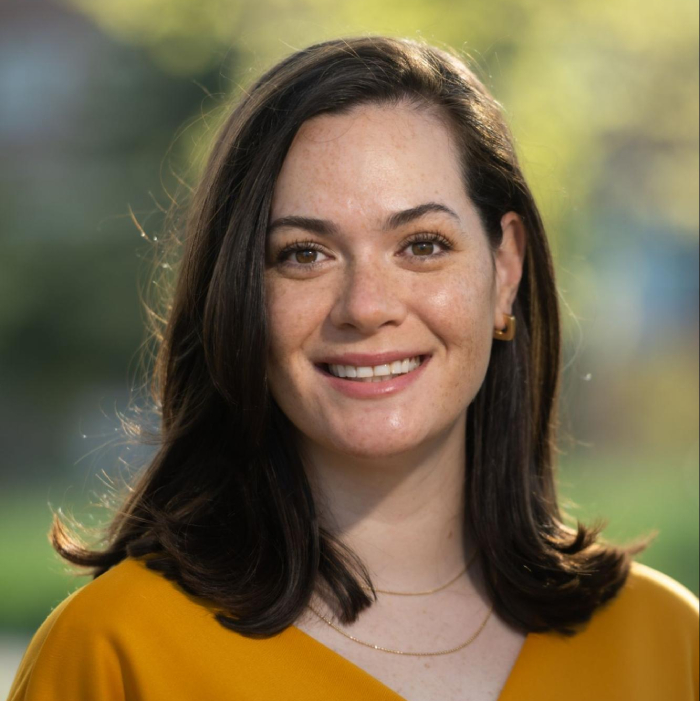
Kaley Angers, PhD
Current: I am a clinical neuropsychologist and Instructor of Medical Psychology (in Psychiatry) at Columbia University Irving Medical Center.
Pathway to Neuropsychology:
I majored in Biopsychology, Cognition, and Neuroscience at the University of Michigan (UM). After my bachelor’s degree, I landed a neuropsychology research technician position within UM’s Dept. of Psychiatry Neuropsychology Section, where I worked on multiple studies examining neuropsychological, neuroimaging, and psychosocial features of bipolar disorder. When applying to PhD programs in clinical psychology, I was unsure whether I wanted to pursue neuropsychology or serious mental illness. I was fortunate to land in Julie Suhr’s lab at Ohio University, whose motto is “Keeping the psychology in neuropsychology!” There I completed a major area of study in neuropsychology while obtaining additional clinical and research training experiences in serious mental illness, particularly psychotic spectrum disorders, at The Ohio State University. I completed a neuropsychology track internship at VA Pittsburgh Healthcare System and an adult neuromedical track postdoctoral fellowship at the Michigan Medicine/VA Ann Arbor Healthcare System Consortium.
Interests:
Both clinically and in research, I am interested in understanding how neuropsychological assessment can enhance our understanding of everyday functioning problems in individuals at-risk for and recently diagnosed with serious mental illness, with an overarching goal of improving outcomes. I am also passionate about increasing access to the discipline of neuropsychology for individuals who may benefit from services clinically, as well those interested in pursuing neuropsychology as a career. In my free time, I enjoy spending time with loved ones, hiking, being in or near water (I hail from the Great Lakes state!), and attending techno and house music events.
Teresa Mejia, MA
Current: I am currently a doctoral student in the Clinical Psychology Ph.D. program at the University at Albany, SUNY, under the advisement of Dr. Elana Gordis. I also currently mentor undergraduate and graduate students for the University at Albany and the NY State Office of Mental Health Scholarship program.
Pathway to Neuropsychology:
My path to neuropsychology has been shaped by my interest in how culture and environment influence cognitive and emotional experiences. As an undergraduate at the University of Delaware, I double majored in Psychology and Neuroscience, and minored in Biological Sciences. After graduation, I took a bit of a non-traditional path and moved to Thailand to teach English. That experience led me to pursue a master’s degree in International Education in Madrid, Spain, where I continued to see how cultural context profoundly shaped learning and mental health. Discovering clinical psychology was a huge turning point in my life as it held each of the components I enjoyed most and was where I could integrate my passion for teaching, clinical work, and culturally focused research. After I enrolled in the doctoral program at UAlbany, my research and clinical work focused on diverse patient populations. During my third year, I began to specialize in neuropsychology and then matched with a neuropsychology track internship the following year. Through this training and work, I am closer to becoming a neuropsychologist who integrates culturally sensitive practice with research, and serves English and Spanish speaking populations.
Interests:
My research focuses on understanding mental health disparities among racially and ethnically minoritized populations through a biopsychosocial lens. I investigate the role of biomarkers, such as respiratory sinus arrhythmia (RSA), alongside sociocultural factors to better understand how these elements interact to shape mental health outcomes. My goal is to use this work to inform culturally responsive assessment and clinical practices that promote more equitable and appropriate mental health care. Outside of the work I do within my program, I love to travel, make pottery, do film photography, and tubing on extra sunny days.
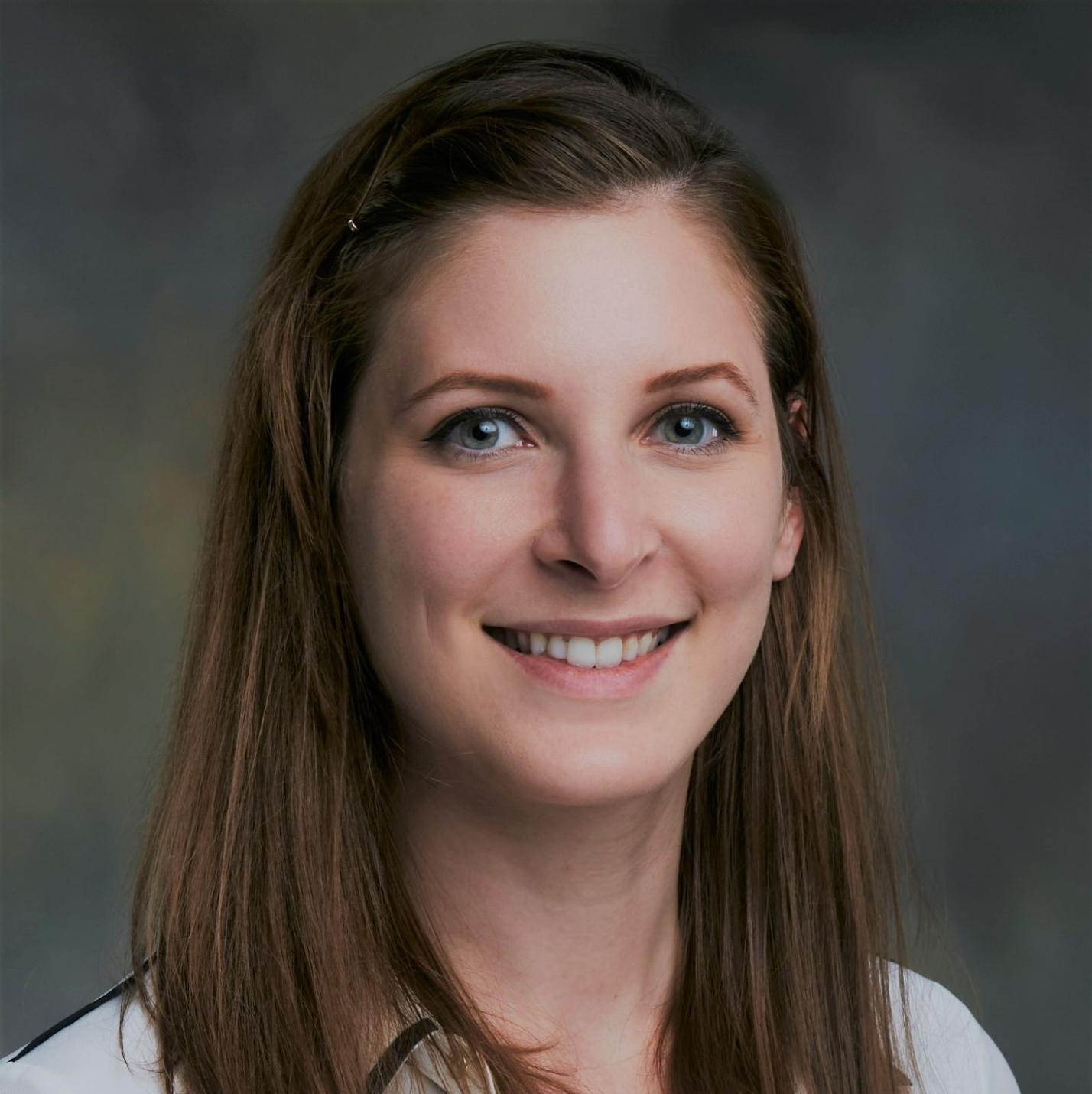
Gabrielle Hromas, PhD
Current: I am a tenure-track assistant professor at UT Health San Antonio where I serve as a clinical neuropsychologist for The Biggs Institute for Alzheimer’s and Neurodegenerative Diseases.
Pathway to Neuropsychology:
I am a first-generation college student from a small town in Pennsylvania. I completed a bachelor’s degree in psychology with honors at Washington College in Chestertown, MD, where my undergraduate advisor happened to be a neuropsychologist, and I found that to be the exact career I was looking for as I genuinely loved the neuroanatomy sections of my early psychology classes. I then completed a master’s degree in clinical psychology from Teacher’s College Columbia University in NYC and ultimately a doctoral degree in clinical psychology (neuropsychology track) from the University of Florida.
Interests:
My training revolved extensively around cognitive outcomes from traumatic brain injury (TBI), and now, with my position at an Alzheimer’s Disease Research Center, I have naturally transitioned to studying the intersection between TBI and neurodegenerative conditions. I also have a particular interest in exploring barriers to access to medical care in the South Texas population. Outside of work I spend most of my time keeping up with my energetic toddler and 4-year-old, but I also enjoy ballet and traveling.
Saray Gonzales, MA
Current: I am currently a clinical psychology PsyD student at George Fox University in Newberg, Oregon. I joined the Student Pathways Subcommittee in April 2025.
Pathway to Neuropsychology:
I’m originally from Albuquerque, NM and earned by bachelor’s degree in psychology at the University of New Mexico. In the third year of my undergraduate degree, my uncle was in a motorcycle accident that resulted in a traumatic brain injury. I remember a shift in his mood, temperament, and memory following his injury. It was difficult as a family member to watch his change in functioning. He sought clarification from a neuropsychologist, and this opened up my world to the field of neuropsychology. Thankfully, my uncle recovered and is doing well today! After his accident, I took a neuropsychology course during the last year of my undergraduate degree and knew I wanted to pursue a career in neuropsychology. I accepted a position as a pediatric psychometrist, where I found my love for assessment and working with children. During my time as a psychometrist, I wasn’t sure what the next step for me looked like. My mentor I was working under encouraged me to pursue doctoral training, so I started applying to graduate schools. I packed up and moved from the desert to one of the greenest places in the country and am grateful for all the opportunities that have come my way.
Interests:
I am primarily interested in neurodevelopmental disorders, traumatic brain injury, sports neuropsychology, and improving culturally competent and equitable healthcare. My research interests center around gender differences in concussion recovery and the impact anxiety has on recovery. My goal is to be become a pediatric neuropsychologist and improve access to mental health treatment, particularity in low-income areas. In my free time I enjoy hiking, paddle boarding, snowboarding, reading, and spending time with my dog Harley.
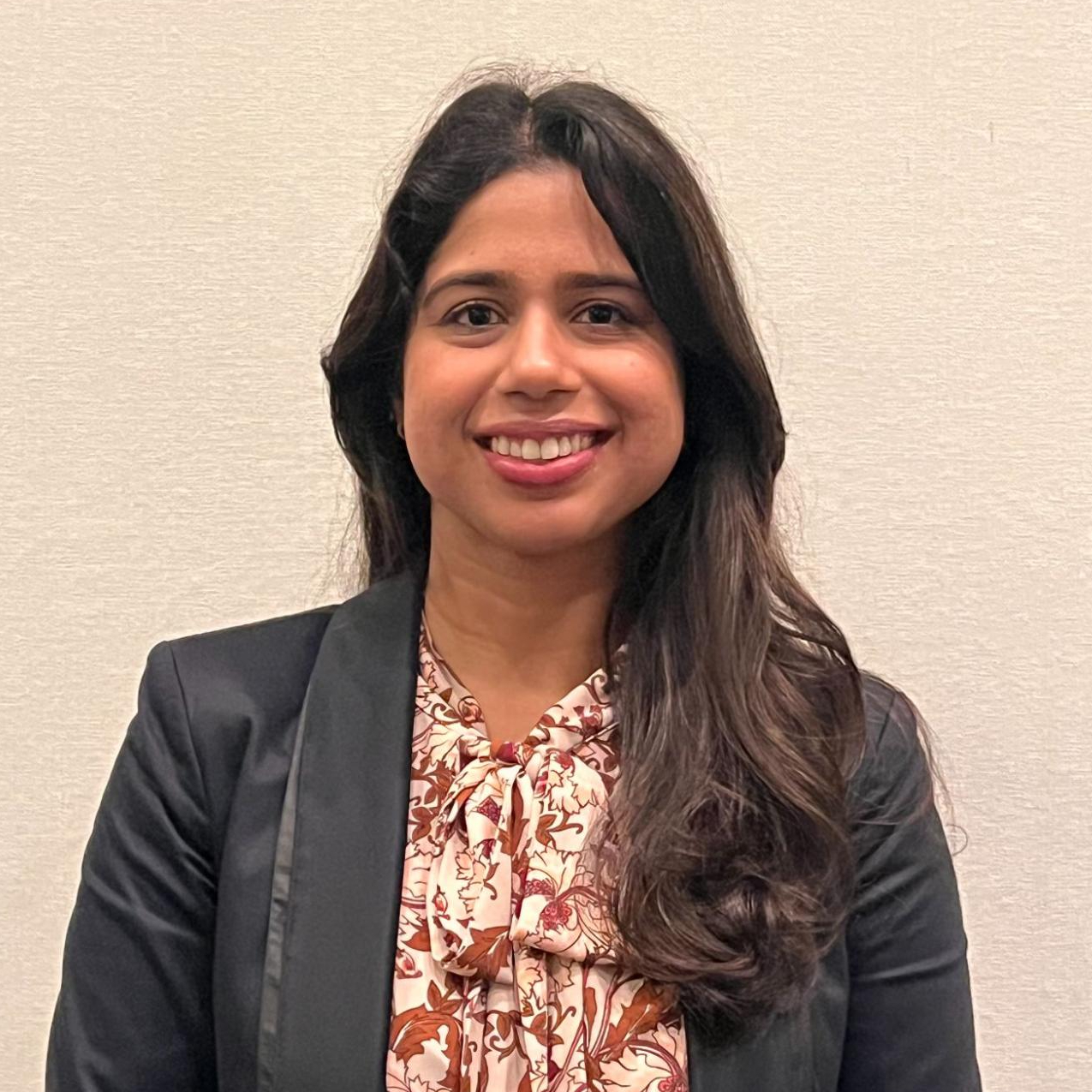
Gargi Doulatani, MA
Current: I am a doctoral student at Ferkauf Graduate School of Psychology, Yeshiva University, in the Clinical Health Psychology PhD Program, specializing in neuropsychology. My research interests focus on cognition, mobility, and daily functioning in older adults, particularly how these domains inform our understanding of aging trajectories in diverse health groups. Under the mentorship of Dr. Roee Holtzer, I am involved in research examining the complex interplay of these domains across populations with MS, HIV, and asthma.
Pathway to Neuropsychology:
I was born and raised in Ahmedabad, India, where I completed my undergraduate studies with a BA in Liberal Studies, majoring in Psychology with a minor in Mass Communication. In 2018, I moved to the US to pursue an MA in General Psychology at New York University. During this time, I completed an externship where I was first exposed to neuropsychological assessment and became fascinated by how these evaluations could capture the cognitive and psychological effects of complex health conditions. After completing my master’s degree, I worked for nearly two years as a research coordinator in the Rehabilitation Department at Weill Cornell Medicine. In this role, I collaborated with interdisciplinary teams and patients with a range of neurological and medical conditions, which deepened my interest in the clinical applications of neuropsychology. This experience solidified my decision to pursue doctoral training at Ferkauf to expand both my research and clinical expertise.
Interests:
Beyond research, I am passionate about making the field of neuropsychology more accessible to students from minoritized and international backgrounds. Having navigated the challenges of being an international trainee myself, I aim to foster more conversations and help develop guidelines for training directors on supporting international students. Looking ahead, I hope to build a career that blends clinical work, research, and mentorship while prioritizing inclusion and access. In my free time, I enjoy cooking, taking dance lessons, caring for my houseplants, hiking, and hosting board game nights with friends and family.
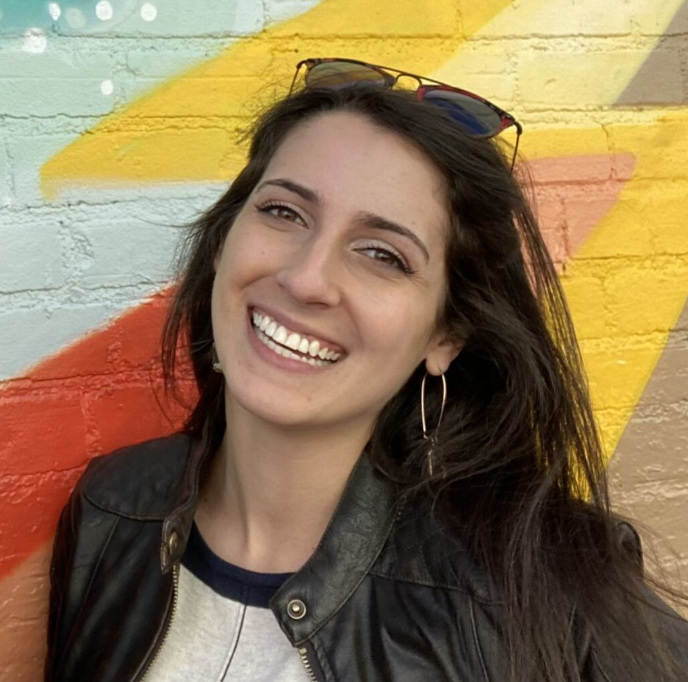
Taylor Rose Schmitt, PhD
Current: I am a clinical neuropsychologist in the Department of Psychiatry at Michigan Medicine. I am also the Founder & Director of New2Neuropsychology (N2N), an organization that seeks to increase representation in neuropsychology through outreach to historically underrepresented students.
Pathway to Neuropsychology:
My pathway to neuropsychology has been shaped by following my genuine interests and curiosity, actively seeking out learning and networking opportunities, and more than a few strokes of luck! I first discovered neuropsychology in my senior year of high school through a simple Google search of careers that combined my passions for neuroscience and psychology. At DePaul University, I quickly got involved in research—spending all four years in Dr. Dorothy Kozlowski’s neuroscience lab studying traumatic brain injury in rats, and a couple years in Dr. Kathryn Grant’s lab examining chronic stress in urban youth. In my sophomore year, I received invaluable advice at DePaul’s career center: reach out to neuropsychologists and conduct “informational interviews.” This led me to Dr. Neil Pliskin at the University of Illinois at Chicago (UIC), who graciously welcomed me to observe in the clinic, learn about neuropsychological testing, and attend trainee didactics. I later worked at UIC as a psychometrist before applying to graduate school, and being embedded in a training clinic with a large graduate student cohort was an incredible resource in preparing my applications. I went on to pursue my PhD in Clinical Psychology at Saint Louis University, where I had outstanding clinical and research opportunities in neuropsychology. From there, I completed a neuropsychology-focused internship at the University of Oklahoma Health Sciences Center and postdoctoral training at Michigan Medicine.
Interests:
Clinically, I have interests in geriatrics, dementia, and movement disorders, and I work closely with the Surgical Therapies Improving Movement (STIM) team to evaluate patients being considered for Deep Brain Stimulation to treat Parkinson’s disease. My other professional and research activities focus largely on advocacy and training/education in neuropsychology, including directing N2N and publishing work to promote greater equity, inclusion, and allyship in the field.